SUSTAINABILITY
Sustainability isn't a section of our work.
It's the framework everything else is built inside.
SUSTAINABILITY
Sustainability isn't a section of our work.
It's the framework everything else is built inside.
SUSTAINABILITY
Sustainability isn't a section of our work.
It's the framework everything else is built inside.
SUSTAINABILITY
Sustainability isn't a section of our work.
It's the framework everything else is built inside.
Our commitments, our reports and data, our SDG and sector-framework alignment, our stories, and our recognition – published in full, verified every year.
OUR APPROACH
Carbon negative isn't a claim we make by purchasing credits.
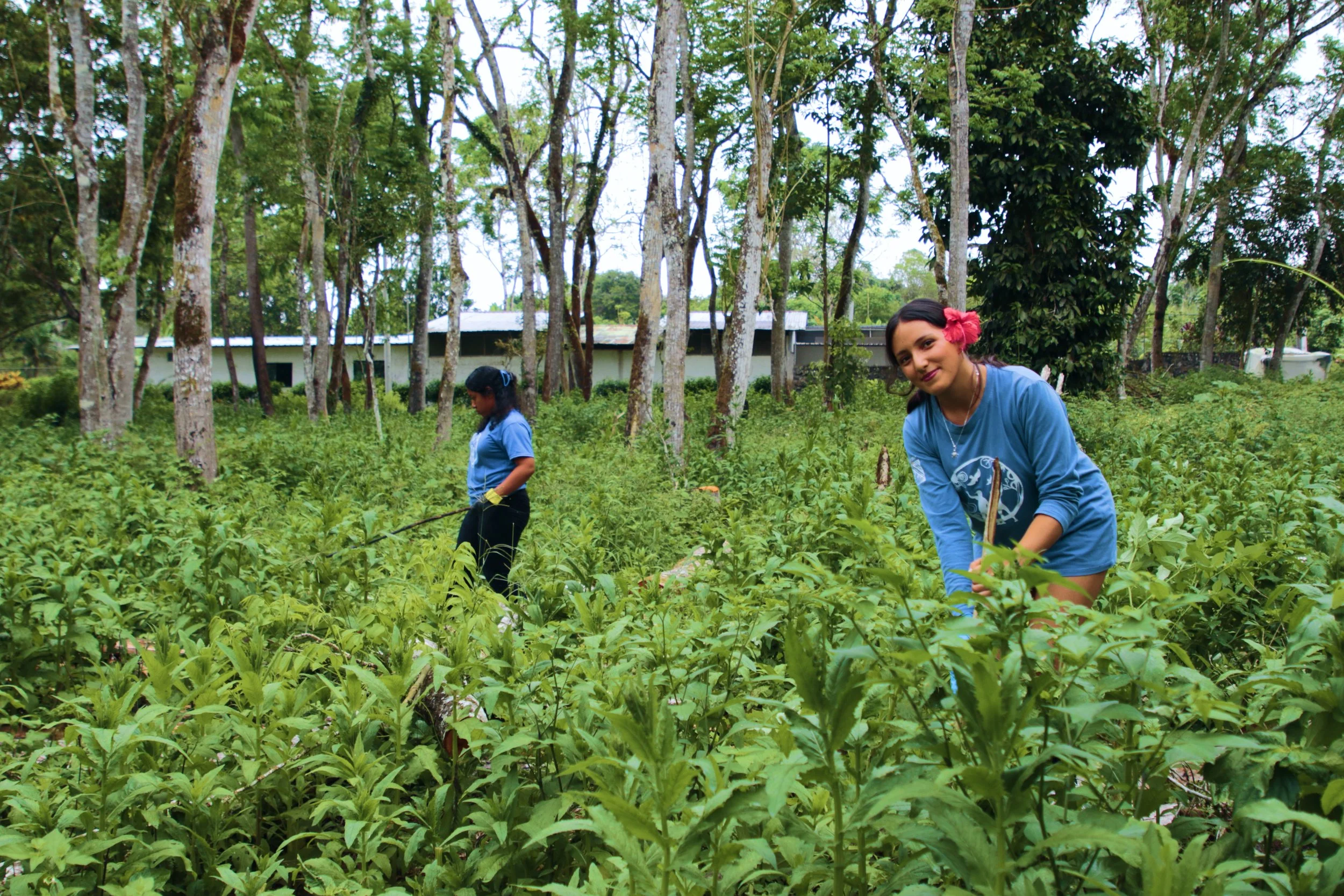
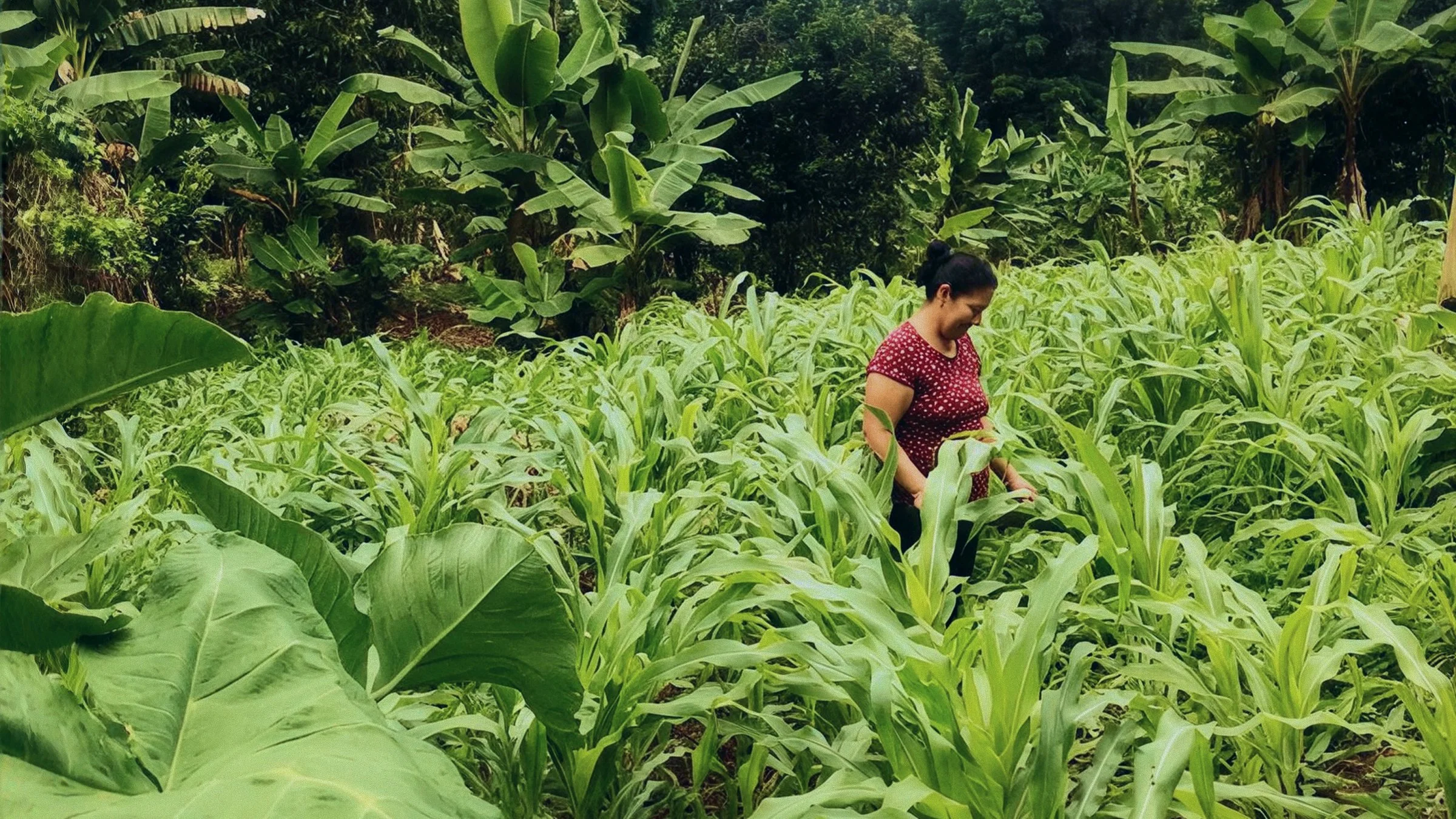
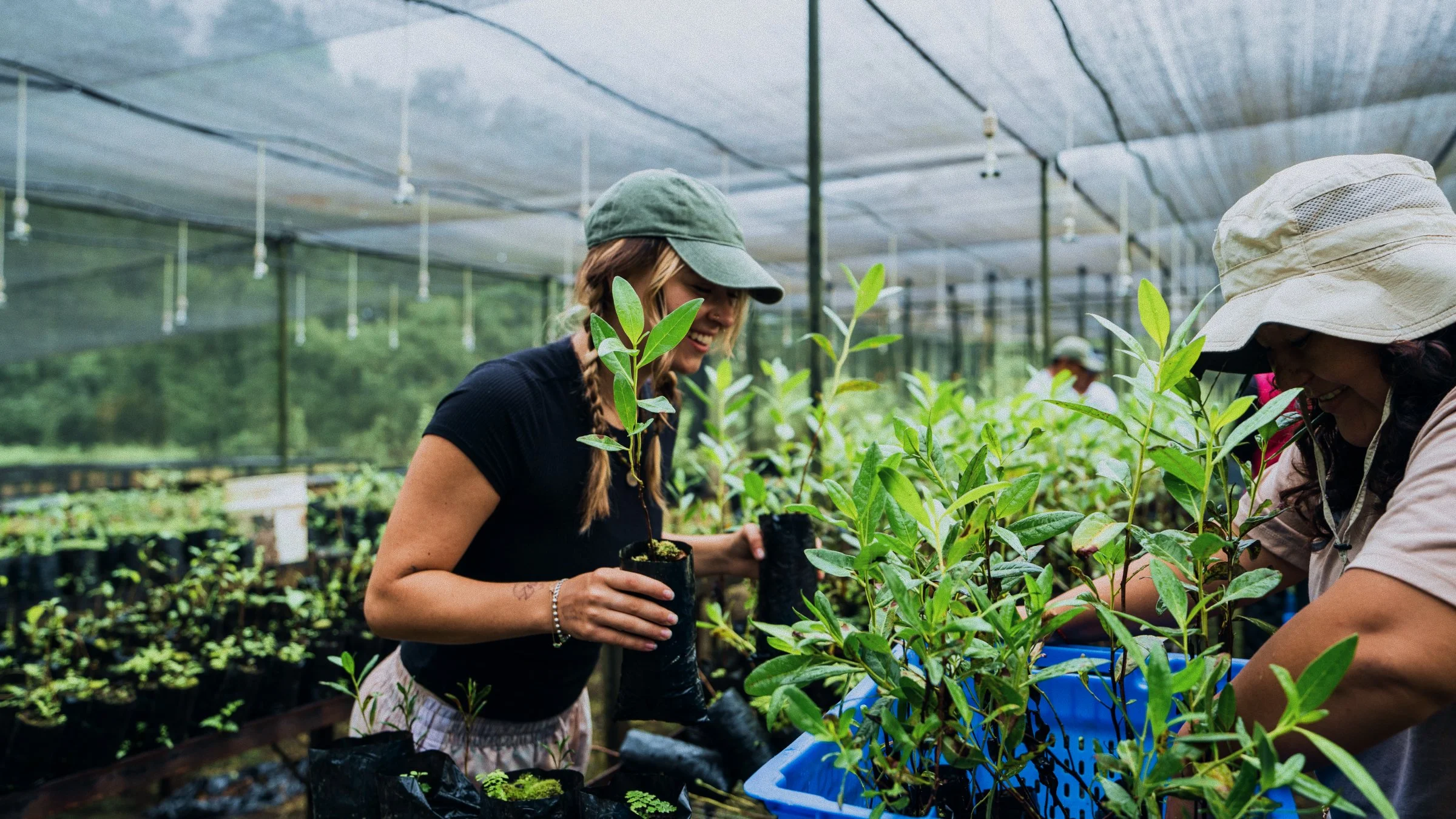
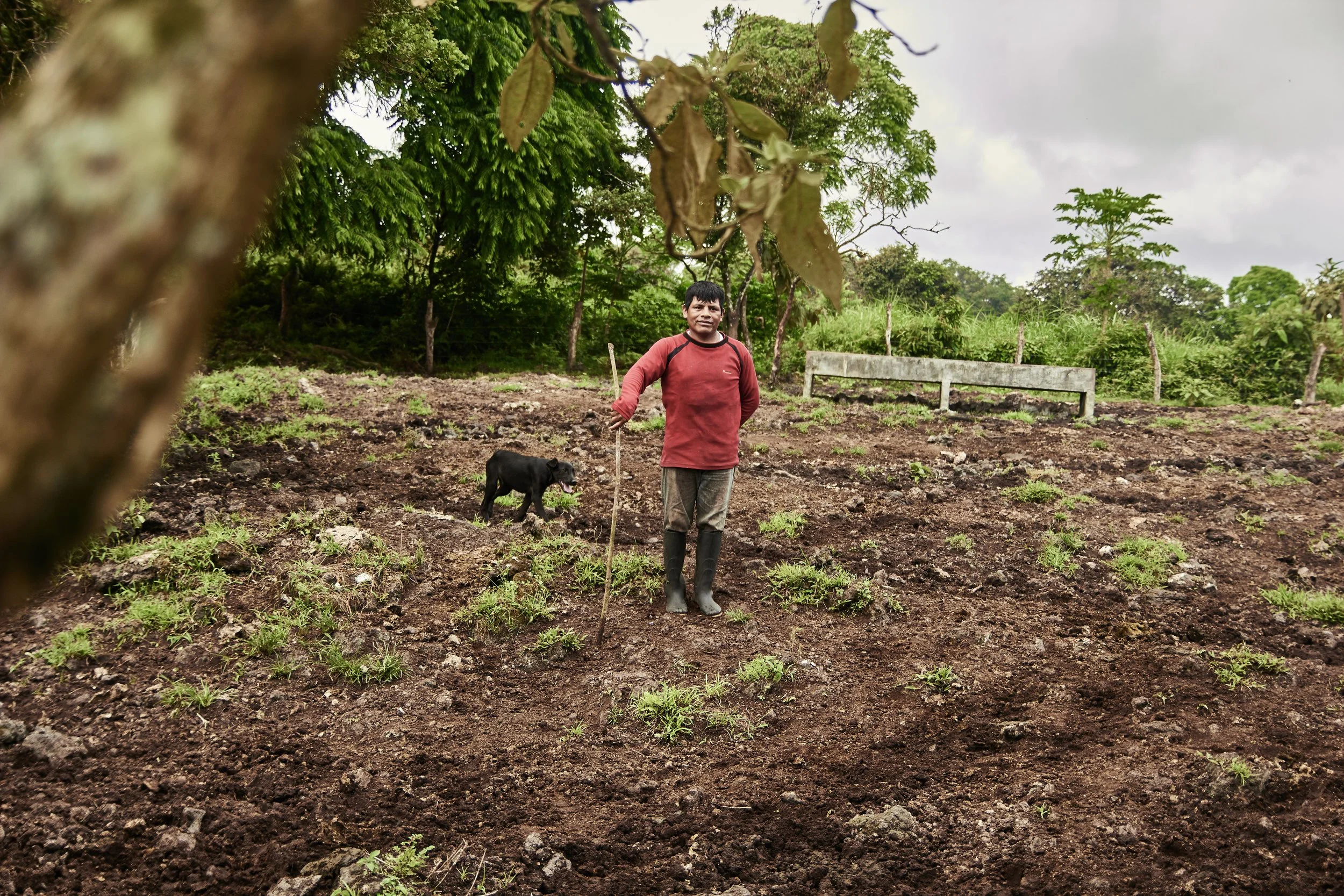
Most organizations that claim carbon neutrality do so by buying external credits alone. IOI has spent seven years building a parallel approach: investing in regenerative agriculture, local food production, mangrove restoration and ecosystem repair directly within the Galápagos communities we work with.
In 2025 that active offsetting portfolio grew again – regenerative agriculture expanded to 105.5 ha (+27%), banana production joined the local food program, and avoided-import mitigation from local milk and vegetables continued to grow. The result is 129.20 tCO₂e of mitigation that simultaneously supports food security, biodiversity and local livelihoods, generated inside the very communities at the center of our mission.
Combined with verified external offsetting through the Yacumama Forest Carbon Project in Peru, IOI is carbon negative – and the goal is to keep closing the gap between what active offsetting covers and what remains, year by year.
It is the result of seven years of building active, locally grounded mitigation – and the ambition to keep growing it until external offsetting becomes the exception, not the rule.
Annual GHG Emissions & Mitigation Report 2025
What we dropped, and why
We stopped committing to "encourage regulators and accreditation bodies to include climate criteria in their standards" – we don't have a realistic channel of influence there, and we'd rather commit to things we can actually move.
The CANIE Accord – 39 commitments, and the ones we declined.
OUR COMMITMENTS
IOI was an early signatory of the CANIE Accord – the climate-action framework for international education – in 2022.
In 2025, we conducted a full review of our commitments against CANIE's complete menu of 70 possible actions, and published the results honestly: what we added, what we dropped, and why.
Total actions adopted
Articles covered
Public reporting
2022 COMMITMENT
30
All five (4–8)
Climate Action Plan only
2026 COMMITMENT
39 (+10 added, −1 dropped, 2 declined with stated reasons)
All five (4–8)
Climate Action Plan + Annual GHG Report, now a standing yearly commitment
What we declined to adopt
CANIE's menu includes a 25%-per-year emissions reduction target. Flights are roughly 94–95% of our footprint, and cutting that by 25% annually isn't achievable without abandoning the travel-based model itself. We marked it honestly as not applicable, and commit instead to full annual neutralization of all remaining emissions.
Carbon Negative, not Net-Zero
Older IOI materials refer to a "Net-Zero 2025 Strategy." We've retired that language. Under the SBTi Net-Zero Standard, net zero requires roughly 90% absolute emissions reduction – not realistic while flights remain core. Carbon Negative is a claim we can already prove, every year.
Full CANIE Accord signatory profile: canie.org

2025 at a glance
REPORTS & DATA
Participants / participant weeks
Gross emissions (all scopes)
Active offsetting (regenerative agriculture + local food)
Net emissions after active offsetting
Passive offset purchased (ClimeCo — Yacumama, Peru)
External offsets retired to date (2019–2025, Ecologi + ClimeCo)
Share of footprint from flights
2025 is the first year we can put two full inventories side by side, on the same methodology. Programs grew 46% in participants – and every non-flight operational metric still improved.
METRIC
METRIC
2025 VALUE
434 · 1,296 weeks
837.71 tCO₂e
129.20 tCO₂e
708.51 tCO₂e
723 tCO₂e · surplus +15.53 tCO₂e carried to 2026
2,766 tCO₂e cumulative since we began offsetting
≈94–98%
Controllable KPI (tCO₂e/participant week, excl. all flights)
0.0314 — improved 10% on 2024
Status
Carbon Negative — verified independently every year
Year on year: 2024 → 2025
Participants
Participant weeks
Average program length
Gross emissions
tCO₂e / participant week
Controllable tCO₂e / week (excl. all flights)
Participant flight tCO₂e per passenger
Active offsetting
Regenerative agriculture area
Net residual, passively offset
Why per-week emissions rose while everything else improved
One dominant cause: average program length fell from 3.8 to 3.0 weeks, spreading the same fixed return flight over fewer weeks (+0.130/week). International team flights also entered Scope 1 for the first time (+0.008/week). Both were partly offset by better participant flight efficiency (−0.098/week) and a 10% improvement in controllable emissions (−0.004/week). Longer stays are the main lever, and a staff travel policy is a 2026 priority.
2019–2021
Founding offsets via EcologiAs part of our 2021 carbon neutral initiative we used Native's calculator to work out the flight-related footprint of our students, staff, volunteers and participants. Since 2019 we have offset and retired over 350 tonnes of Scope 3 emissions through Ecologi – every tonne certified to Gold Standard or the Verified Carbon Standard, with funding allocated on the Project Drawdown framework.
PERIOD
2019–2022
2022–2024
2025
Cumulative total,
2019–2025
PARTNER
Ecologi
ClimeCo
ClimeCo
–
Active offsetting in 2025 – the verified composition (129.20 tCO₂e)
SOURCE
2022–2024
2024 DPNG External Evaluation (Cancillería)
As programs scaled, residual emissions grew. We partnered with ClimeCo and retired 1,693 tonnes of CO₂e through the CAR1864 Bonos Aroma Del Mayab project – part of the CAR1863–65 Mexico Forest Restoration initiative in Quintana Roo, restoring semi-evergreen rainforest with local ejido communities.
That figure is what remained after our own conservation work – not our total emissions. Regenerative agriculture, mangrove restoration and cutting imported goods to the archipelago mitigated a significant share internally before a single external offset was purchased.
tCO₂e
Soil carbon – regenerative agriculture (105.5 ha)
94.99
Avoided import – milk (562,100 kg)
32.04
Avoided import – bananas (21,797 kg) – new in 2025
1.24
Avoided import – cilantro, pepper, tomato, cucumber
0.91
Beach & marine debris clean-up (2,264 kg)
0.01
Total active offsetting
129.20
Deliberately not counted yet: the mangrove nursery and reforestation work (1,383 seedlings) and invasive-species control across 15,214 m². The benefit is real; the methodology isn't finalized, so it stays out of the total until it can be measured with the same rigor.
PROJECT
2024
298
Multiple (Gold Standard / VCS / CCB)
CAR1864 v2021 – Bonos Aroma Del Mayab (Mexico Forest Restoration, Quintana Roo)
Certificates
ClimeCo Certificate 2022–2024 (1,693 tCO₂e)
Download PDF
Every certificate is published in full – retirement volumes, project IDs and serial numbers exactly as issued.
Downloads
Annual GHG Emissions & Mitigation Report (2025)
2025
723 tCO₂e retired for the 2025 residualAfter 129.20 tCO₂e of active offsetting, the 2025 residual of 708.51 tCO₂e was covered through ClimeCo's VCS1133 Yacumama Forest Carbon Project in Peru – a Verra-verified REDD+ project protecting Amazonian forest from unplanned deforestation.
Credits are bought against the reporting year and retired once that year's footprint is finalized, which is why the compliance date falls in the following year. Correcting the accommodation split lowered the final residual below the purchased volume, so 15.53 tCO₂e of surplus carries into 2026 – we hold a small deliberate buffer rather than round down.
No-till + hooved animal rotation at 0.9 tCO₂e/ha/yr (Poeplau & Don 2015; Teague et al. 2016)
Avoided shipping vs. mainland import
Avoided shipping vs. mainland import
Avoided shipping vs. mainland import
Measured waste diversion
–
Cumulative external offset record
TCO₂E OFFSET
Unlike most CANIE self-reporting, IOI's Isabela programs are evaluated every year by an external body, filed directly with Ecuador's Ministry of Foreign Affairs under our formal cooperation agreement with the Ecuadorian government.
YEAR
2018
2019
2022
2024 (H1)
2024
2025
RESULT
Scaling up – 1,693 tCO₂e retired via ClimeCoBASIS
VCS1133-2014 – Yacumama Forest Carbon Project, Peru (REDD+)
–
1,134
3.8 weeks
690.61 tCO₂e
0.609
0.0350
0.510
108.10 tCO₂e
83.3 ha
582.51 tCO₂e
350
1,693
723
2,766
2025
434 (+46%)
1,296 (+14%)
3.0 weeks (−22%)
837.71 tCO₂e (+21%)
0.646 (+6%)
0.0314 (▼10% — improved)
0.421 (▼17% — improved)
129.20 tCO₂e (+20%)
105.5 ha (+27%)
708.51 tCO₂e (+22%)
Two accounting improvements we made in 2025
Hotel nights (1,846) and homestay nights (6,954) are now costed separately: with 79% of nights in homestays, which carry a 70% lower emission factor, accommodation emissions came to 20.23 tCO₂e instead of the 45.80 tCO₂e a single hotel rate would have produced. And international team flights are recorded in Scope 1 for the first time (11.95 tCO₂e, 16 trips) — a number we can directly control, so we now report it.
CERTIFICATE
25 July 2022 · ID d3baf01
Purchased 30 Dec 2025 · retired 4 Feb 2026 · serials CAR-1-MX-1864-42-2085-QR-2021-8428-18113 to 19805
Compliance date 10 July 2026 · residual 708.51 · surplus +15.53 to 2026
–
Independently evaluated, not self-reported
ABG evaluation: 100% of planned objectives met
ABG evaluation: 88.6% executed – 2 activities suspended for disclosed external reasons
DPNG: 200 volunteers · 6,315 volunteer hours logged
DPNG: 247 volunteers · 9,828 volunteer hours logged
DPNG external evaluation (Cancillería): 100% technical execution · zero incidents · certified no risk of non-compliance
$258,671 USD annual program, formally mapped to Ecuador's National Development Plan and 6 UN SDGs
Carbon Negative, and what participation contributes
IOI is Carbon Negative, and every participant is part of how that gets done. Included in each program contribution is $15 USD per week that goes directly into IOI's active offsetting work – regenerative agriculture, local food production and ecosystem restoration in the communities we work with – mitigating the emissions that remain after we reduce what we can.
The contribution is included by default; individual participants can opt out during booking, and IOI covers the full cost of its climate commitments either way. For study abroad and faculty-led programs the contribution is agreed at institutional level with the university or program office and set out in the program budget.
Tackling the 800lb gorilla: offsetting flights
We first minimize our emissions, then mitigate as many as possible internally and sustainably, and only then offset the remainder externally – while we keep growing our own active capacity.
Download PDF
Download PDF
Documented in our official filings.
Not a marketing claim.
SDG ALIGNMENT & SECTOR FRAMEWORKS
Our 2025 DPNG project agreement formally maps program activities to six UN Sustainable Development Goals, against Ecuador's own National Development Plan.
The Forum's Guidelines for Advancing the SDGs through Education Abroad
IOI doesn't just cite these guidelines – our own Sustainability & Strategic Partnerships Director, Daniel Ponce-Taylor, served on the Forum on Education Abroad's SDG Working Group (2020–2024), the committee that wrote them.
SDG 2 – Zero Hunger
SDG 3 – Good Health & Well-Being
SDG 11 – Sustainable Cities & Communities
SDG 12 – Responsible Consumption & Production
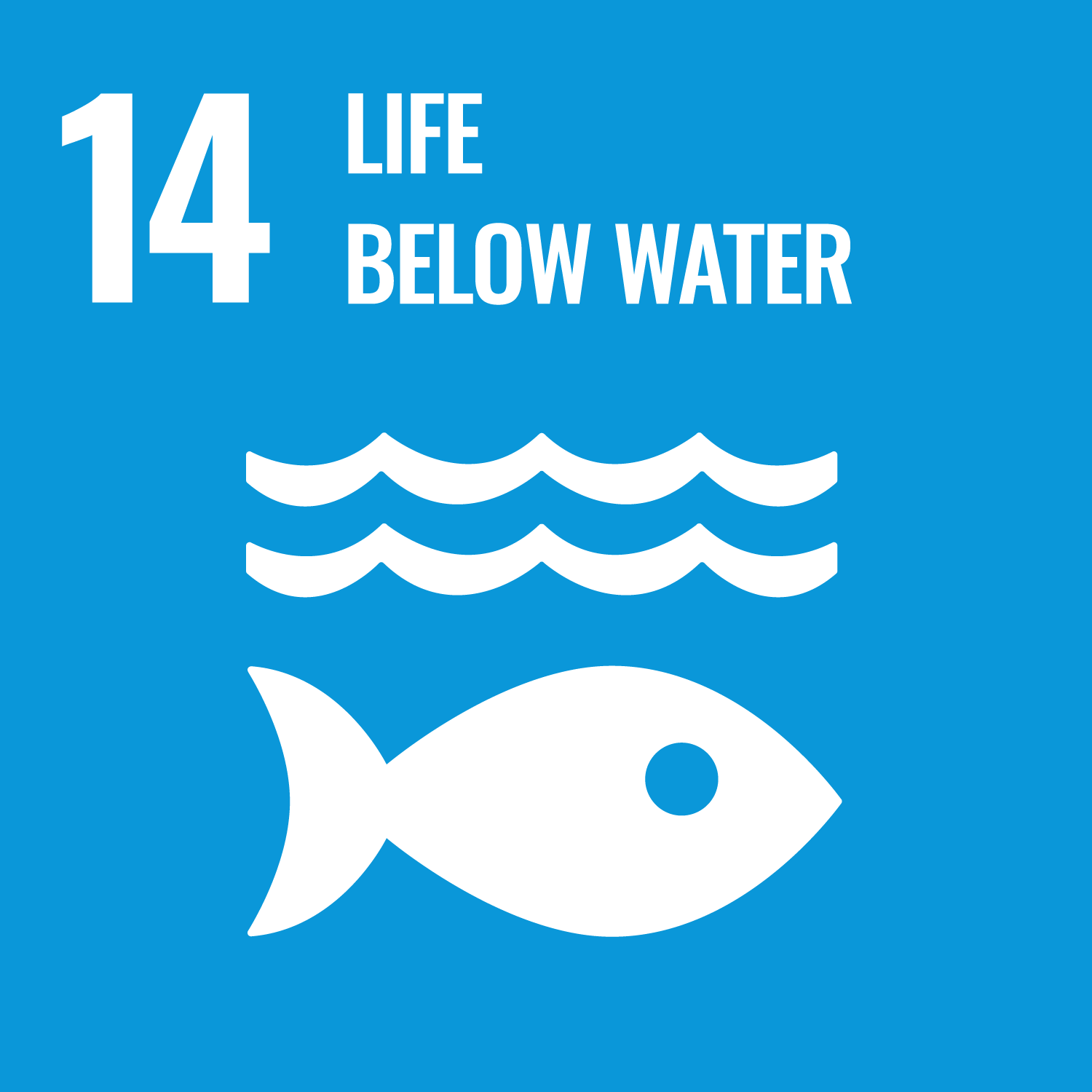
SDG 14 – Life Below Water
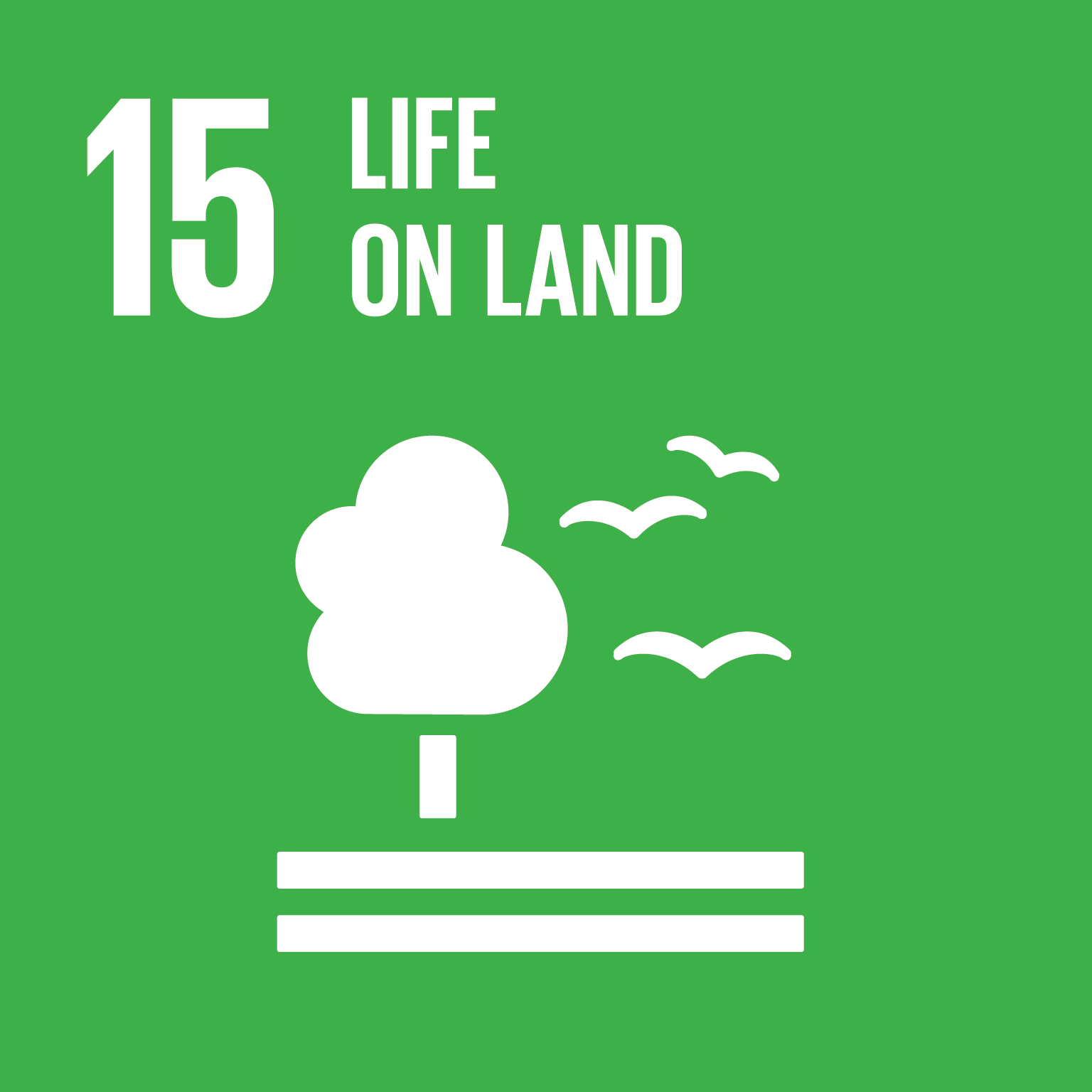
SDG 15 – Life on Land
SDG
Regenerative agriculture & local food production (also our active carbon-offsetting mechanism)
ABG animal health campaigns; community health elements of the Isabela program
Host-family program, community infrastructure, CGREG partnership
Import-reduction impact of local food production
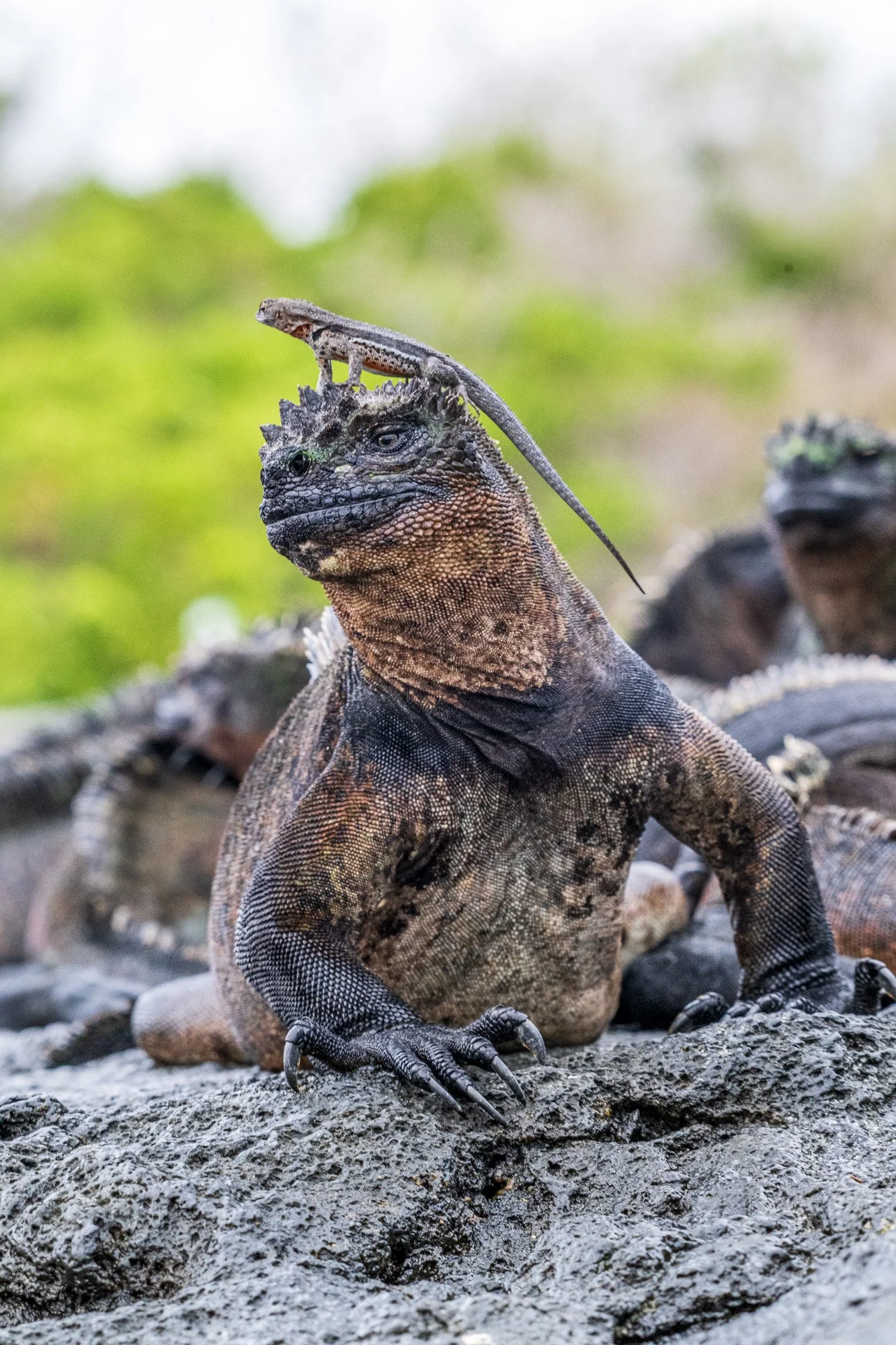
Marine iguana and sea turtle nesting protection with DPNG
Forest nursery, giant tortoise breeding, invasive species control
HOW OUR OWN FILINGS DOCUMENT IT
The Glasgow Declaration on Climate Action in Tourism
IOI is a signatory of the Glasgow Declaration, committing to halve tourism-related emissions by 2030 and reach net zero as soon as possible before 2050 – reported against in our annual Climate Action Plan rather than kept as a standalone pledge page.
The people who can tell you whether any of this works.
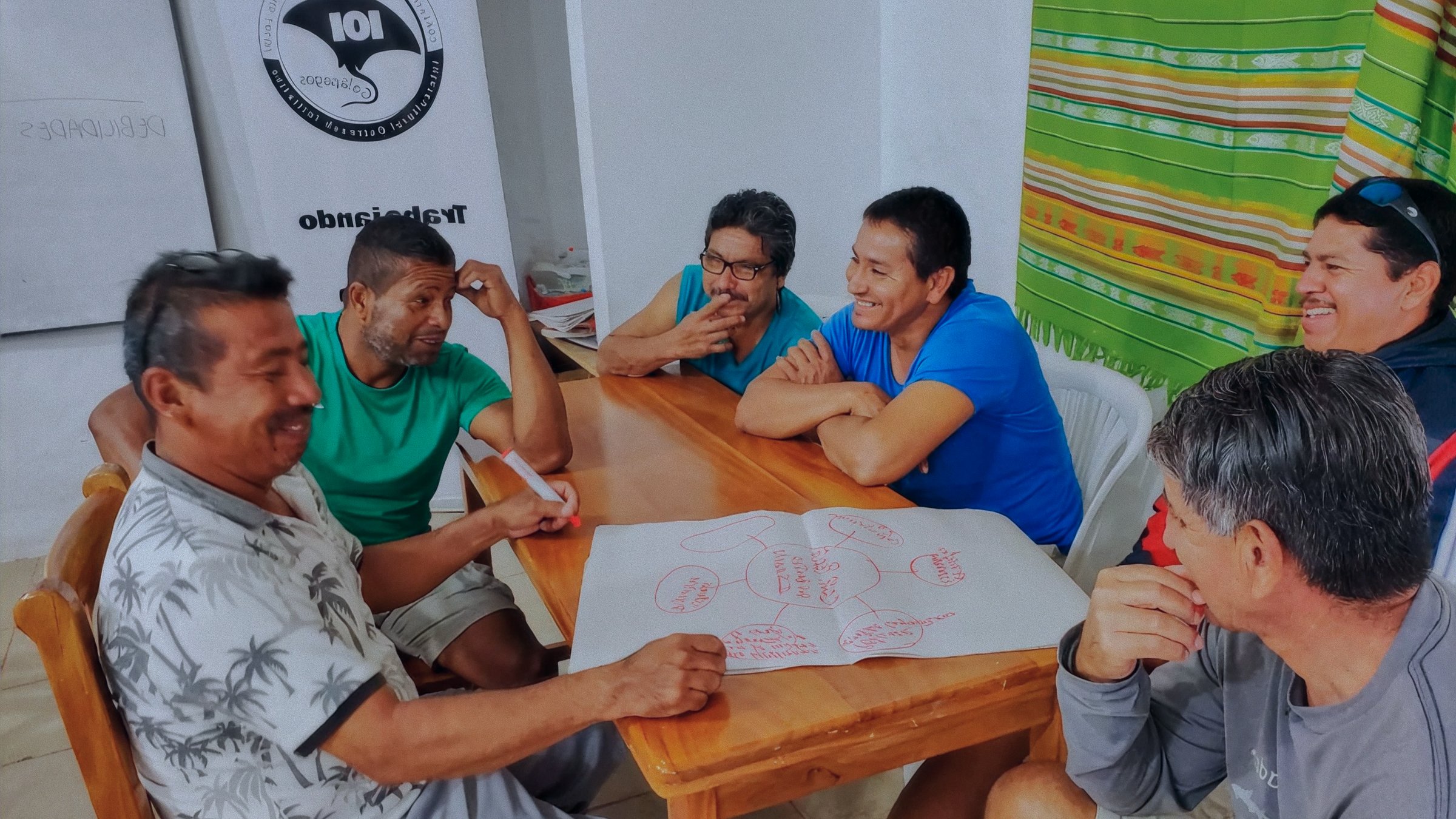
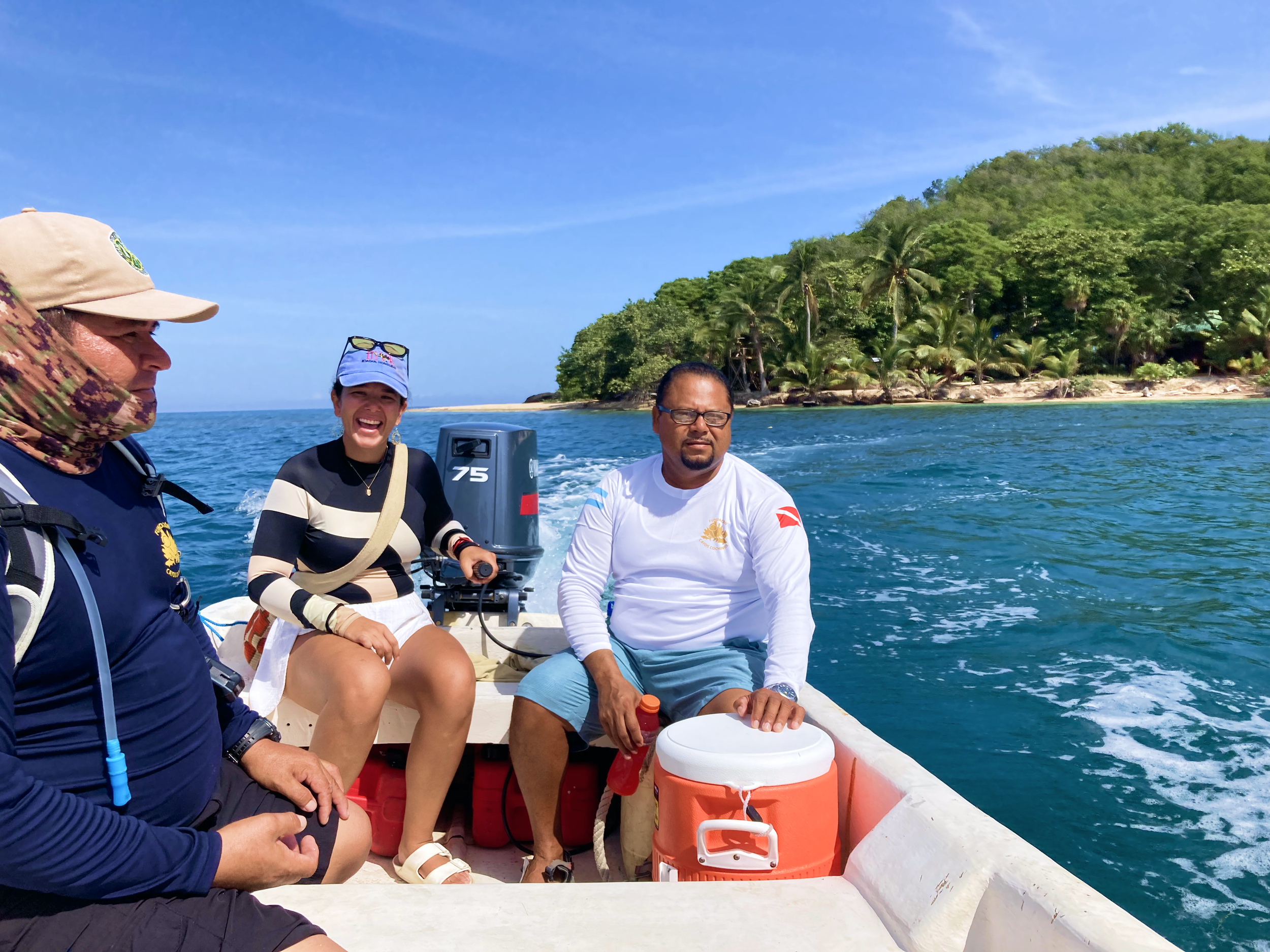
Reports and inventories say what we measured. Participants, partner institutions and the teams on both islands say what it felt like to be inside the work – including the parts we still have to get right.
STORIES & IMPACT
We publish this one on purpose. It named the exact gap the partnership with Fundación Cayos Cochinos exists to close – deeper trust and deeper analysis with the Garifuna communities the work sits alongside – and it now shapes how the program is briefed.
Same cohort: 100% would recommend the course experience · 90% would recommend the programme · 70% felt better equipped to engage across cultural difference.
"I think that the program could benefit from deeper analysis of the local Garífuna community and its relationship with the military, Honduran government, and conservation entities… I am looking forward to seeing the development in the future, and will be sure to recommend it."
Melissa · Tulane University · Cayos Cochinos pilot, March 2025
"The work doesn't stop when a group flies home. The nests still get walked, the seedlings still get watered, the data still gets handed to the Park."
IOI field team · Isabela, Galápagos
Fifteen years on Isabela, in partnership with DPNG, ABG and CGREG, with those partnerships independently evaluated rather than self-assessed.
Volunteer hours contributed: 6,315 in 2022 · 9,828 in the first half of 2024 alone.
Our commitments, our reports and data, our SDG and sector-framework alignment, our stories, and our recognition – published in full, verified every year.

GuideStar Gold Seal of Transparency
ClimeCo EcoCommitted Partner™ 2026 (Small Business)
CANIE Accord signatory (since 2022)
UN SDG Partnership (sustainabledevelopment.un.org)
Forum on Education Abroad – Council Board representation
Gap Year Association – Sustainability Committee co-chair
Institutional recognition
RECOGNITION